Health System Pillars
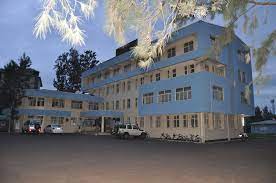
Health Workforce
health workforce is one of the transformation agendas, and various activities have been undertaken in this regard.
The creation of motivated, competent, and compassionate (MCC) health workers is one of the priority agendas. In the past three year, the MCC strategy document was revised and implemented. The government has also aimed to increase the availability of health workers with an appropriate mix of professionals. In 2022, the density of health workers was estimated at 18.87 per 10,000 people, considerably lower than the WHO-recommended standard of 44.5 per 10,000 to achieve UHC. Another notable concern is the inadequate skill mix of health professionals, with a relatively high number of nurses but shortages of medical doctors, anesthetists, pharmacists, medical laboratory technology, dental health, medical radiology technology, family health and health extension worker. The total health workforce comprises 66,487 individuals of which 34,488 are females (52%). Of this group, 44,475 (67%) are health professionals of various categories and the remaining 22,012 (33%) are administration and staff. The three top health workforce categories that are female dominant includes HEWs, midwifery, and, nursing accounting for 100%, 53%, and 44%, respectively. In contrast, fewer females are represented among medical doctors (16.38%) and specialized doctors (14.85%).
Leadership and governance
This program works towards ensuring an accountable, transparent leadership and governance system for effective implementation of the strategies. It focuses on enhancing decentralization and local ownership as a means of creating a resilient health system. It addresses public accountability on resource management and optimal health service provision, while also designing and implementing sound regulation mechanisms, building effective teams, and institutionalizing appropriate implementation mechanisms and platforms.

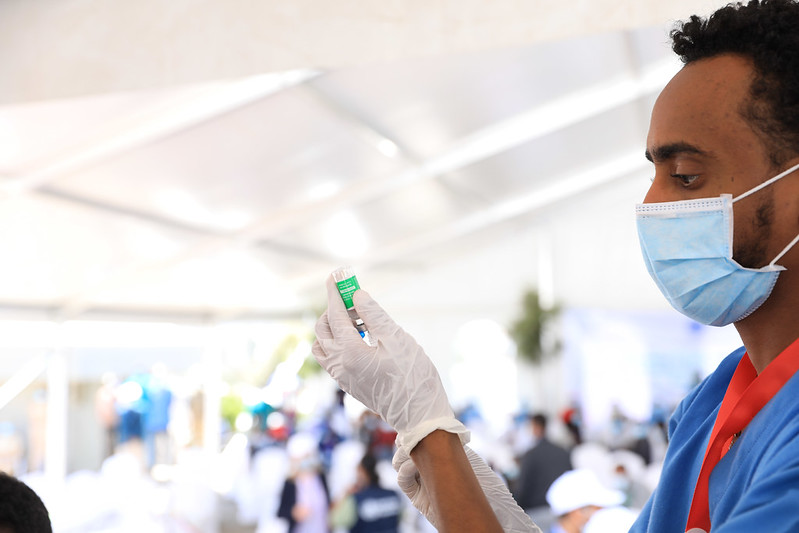
Health Service Delivery
The Ethiopian health service delivery system is structured into three tiers: primary, secondary, and tertiary. The primary level of care comprises a primary hospital (covering nearly 100,000 population), health centers (covering nearly 25,000 people), and satellite health posts (covering 3,000–5,000 people). The secondary level of care is a general hospital covering a population of 1– 1.5 million. This is the next referral center for the primary level of care. Tertiary level of care is a specialized hospital covering a population of 3.5–5 million. The HSDIP will continue to focus on strengthening and expanding health services and facilities within the framework of primary health care by improving governance and ensuring equitable access to and utilization of quality health services.

Pharmaceuticals and Medical Devices
This objective aims to enhance the efficiency and effectiveness of the pharmaceutical supply chain, pharmacy services, and medical device management systems. It also focuses on promoting domestic manufacturing of medicines and medical devices, as well as improving the procurement and management procedures, and rational use of medicines.